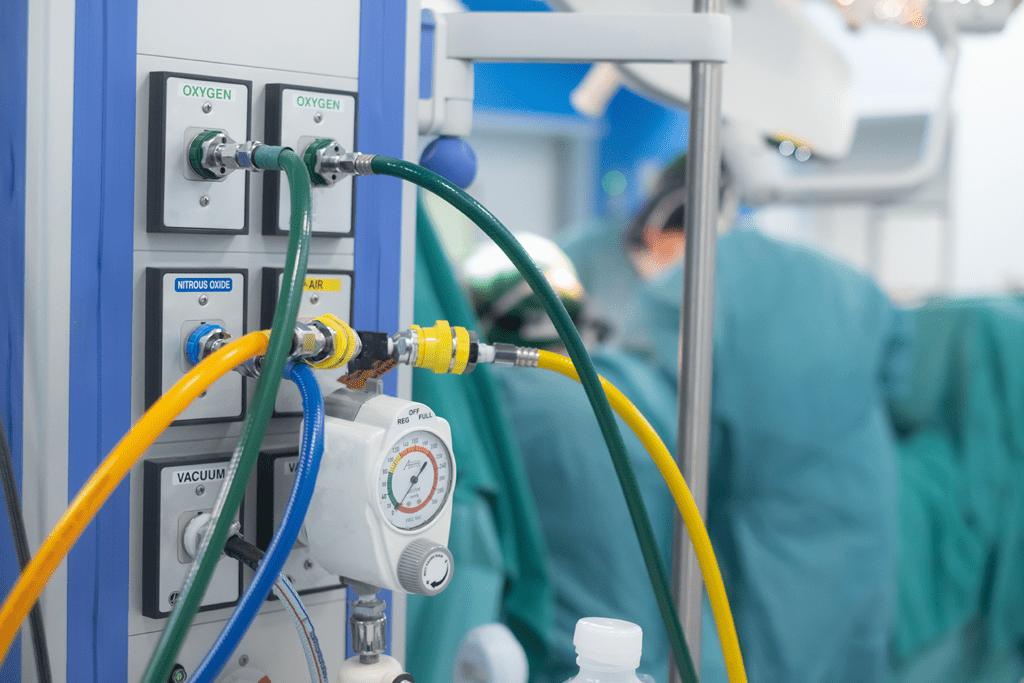
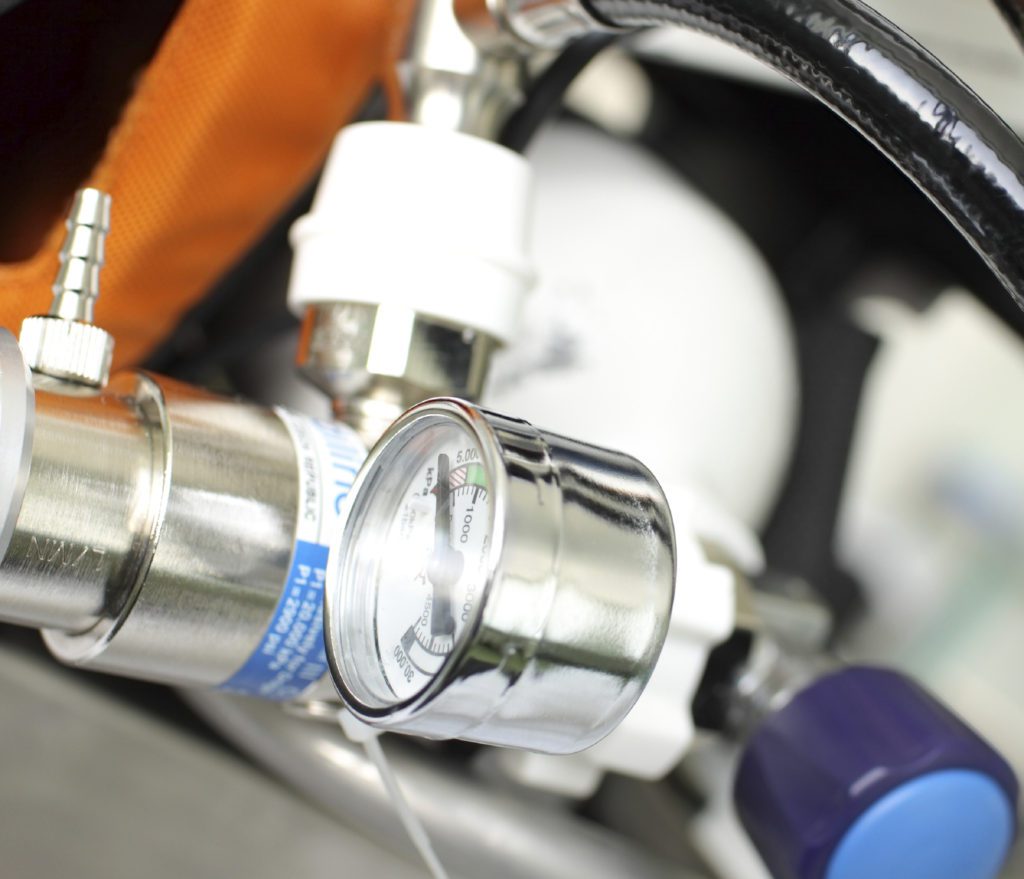
Medical gas systems are the lifeline of any healthcare facility, delivering oxygen, medical air, and vacuum suction to the patients who depend on them. Keeping that lifeline safe and reliable, and supporting your obligations under NFPA 99, the National Fire Protection Association’s Health Care Facilities Code, depends on one ongoing discipline: regular, documented testing of the components your patients rely on.
Medical gas testing services give a facility documented evidence of how its system is actually performing, not just how it appears to be performing. Whether you run a large hospital or a two-chair dental practice, the same principles apply, scaled to your system, although the specific requirements depend on your facility type, system category, accreditation, and Authority Having Jurisdiction (AHJ). This page is the overview: what medical gas testing covers, how testing intervals are set, which facilities rely on it, and how to choose a provider you can trust. Where you want to go deeper, we link out to the specific services and facility types throughout.
What Medical Gas Testing Includes
A comprehensive medical gas test evaluates the components included in the agreed testing scope against applicable NFPA 99 requirements, manufacturer recommendations, and your facility’s policies, and documents how each one is performing. A thorough scope typically covers:
- Outlets and inlets: Gas outlets and vacuum inlets in the scope are checked for correct pressure, adequate flow, leaks, and proper latching of connected equipment, plus accurate labeling and color coding. (Cross-connection testing is part of verifying new or modified piping, not a routine periodic test; more on that below.) Our guide to what to expect in a medical gas safety inspection walks through this in detail.
- Zone valves: Zone valves are evaluated for accessibility, condition, identification, and accurate labeling, so staff can find them and isolate an area in an emergency. Functional operation is tested only when it is included in the scope and coordinated with facility personnel under an approved shutdown plan, because closing a valve interrupts service. See our deep dive on medical gas zone valve inspection for the NFPA 99 access and labeling rules.
- Alarm systems: Master, area, and local alarm panels are tested by simulating fault conditions to confirm they signal both audibly and visually when pressure drops or a source changes over.
- Source equipment: Manifolds, bulk supply, medical air compressors, and vacuum pumps are inspected to evaluate whether they are operating within parameters and whether backup and changeover functions perform as intended.
- Labeling: Pipes, valves, and outlets are checked for the clear, accurate identification that surveyors and emergency responders rely on.
- Gas purity and contaminants: Periodic purity and contaminant testing documents the quality of the gas delivered at the points sampled. Cross-connection testing, which isolates each line to confirm the right gas reaches the right outlet, is performed as part of verification when piping is new, modified, or repaired, not during a routine periodic test.
This describes the recurring testing of an existing, in-service system. New or modified systems also require third-party verification before they go into service, and that is where cross-connection testing belongs; we cover verification below. And when testing turns up a minor, fixable issue, a good provider can often handle it through as-we-go repairs (when you authorize them and it is practical) rather than leaving you with an open work order. Work that needs a shutdown or verification is scheduled separately. You can see the full scope of our safety inspection services for how these pieces fit together.
Annual Testing Requirements
How often do you need to test? There is no single universal interval. NFPA 99 and the Joint Commission’s medical gas requirements leave the exact intervals to your facility’s documented policy, informed by manufacturer guidance, your maintenance strategy, accreditation expectations, and any state or AHJ requirements. In practice, an annual comprehensive test is common, with more frequent checks of critical items in between. Our guide to Joint Commission medical gas compliance explains how the requirements work and how the 2026 standards restructured them.
A few nuances are worth knowing:
- Component intervals vary. Many facilities test alarms and source equipment annually, visually inspect valves more often, and follow manufacturer schedules for filters and sensors. Flexible hoses in operating room booms follow their own interval, which we cover in flexible medical gas hose inspections.
- Risk category matters. NFPA 99 assigns system categories based on the risk to patients, and that category shapes design and performance requirements. It is a separate question from the risk basis your facility documents for its testing intervals. Our medical gas risk assessment guide explains how NFPA 99 categorizes systems by risk.
- New work is different. Verification of a new, renovated, or repaired system happens once, before the system is placed into service, not on an annual cycle.
- Documentation is part of the requirement. Every test, result, and date should be recorded, because in the eyes of a surveyor, if it isn’t documented, it didn’t happen.
Whatever schedule you set, it needs to be documented and followed consistently. For a sense of what a routine test costs, see our breakdown of medical gas annual inspection cost.
Who Needs Testing (Hospitals to Dental Offices)
Any facility with a piped medical gas or vacuum system benefits from regular, documented testing. The scope scales with the system, and the exact requirements and frequency depend on facility type, system category, clinical use, accreditation, and your AHJ, but a small system still has to work when patients need it. We work across the full spectrum:
- Hospitals: The most complex systems, with extensive outlet, alarm, and valve counts and many Category 1 spaces.
- Ambulatory surgery centers: Surgical environments with anesthetizing locations, waste anesthetic gas disposal (WAGD), and accreditation surveys that make documented testing especially important.
- Dental offices: Smaller oxygen, nitrous oxide, and vacuum systems where testing, labeling, and waste anesthetic gas safety still matter. Exact requirements vary with system category, sedation practice, and state rules.
- Veterinary clinics: Oxygen and anesthesia delivery plus scavenging systems, where NFPA 99 is not applied the same way as in human healthcare but may be used as a voluntary safety benchmark, including by multi-site veterinary groups standardizing practices across locations.
- Long-term care facilities: Centralized oxygen, suction, and backup systems supporting residents with ongoing respiratory needs.
- Fertility clinics: Specialized gases for incubators and cryopreservation alongside anesthesia for procedures.
Laboratories and other specialty gas environments follow similar logic, although the applicable codes and standards may differ. If gas or vacuum runs through your walls to a point of use, it should be tested and documented.
Choosing a Qualified Provider
Not every provider brings the same credentials or independence, and the difference shows up in your survey results. In short, look for technicians who hold current ASSE credentials (American Society of Sanitary Engineering), specifically ASSE 6020 inspectors, ASSE 6030 verifiers, and ASSE 6040 maintenance personnel as the work requires; verification that is kept independent of whoever installed or repaired the piping; both inspection and verification capabilities so one partner can support your whole system lifecycle; and survey-ready documentation as the deliverable. Independence is not a small detail. As we explain in Certified vs. Verified, people get certified and systems get verified, and a tester with no stake in the outcome is the one you can trust.
We cover this in full in choosing a medical gas inspection company, including the questions to ask before you hire.
How Compass Cryogenics Helps
Compass Cryogenics is a medical gas testing, inspection, and verification provider with ASSE-certified technicians. Our team tests the components in your agreed scope, including outlets and inlets, alarms, zone valve access and labeling, source equipment, WAGD and vacuum systems, and gas purity, and we can provide or coordinate third-party verification by a qualified, independent ASSE 6030 verifier when new or modified work requires it, subject to project scope, keeping verification independent of any work we installed or repaired. We handle authorized minor fixes through as-we-go repairs when practical, and deliver digital and printable survey-ready reports organized for your compliance and accreditation records.
Because we work across the entire system lifecycle, we can also support a compliance review or system installation and upgrades when you need them. We serve facilities from single-site dental and veterinary practices to ASCs, hospitals, multi-building campuses, and multi-site groups across New England, the Mid-Atlantic, and select Midwest markets, scaling our scope to your system and scheduling around your clinical operations to keep disruption to a minimum.
Frequently Asked Questions
What does medical gas testing include?
A comprehensive test typically covers outlets and inlets, zone valve access and labeling, alarm panels, source equipment, labeling, and periodic gas purity and contaminant testing, all evaluated against applicable NFPA 99 requirements within the agreed scope. Our safety inspection guide details each component, and our article on zone valve inspection goes deeper on one of the most cited items.
How often is medical gas testing required?
There is no single universal interval. NFPA 99 and Joint Commission requirements leave the exact intervals to your facility’s documented policy, informed by manufacturer guidance, your maintenance strategy, and state or AHJ requirements. An annual comprehensive test is common, often with more frequent checks of critical items. Our guide to Joint Commission medical gas compliance explains how to set and document your schedule.
Who needs medical gas testing?
Any facility with a piped medical gas or vacuum system, from hospitals and ambulatory surgery centers to dental offices and veterinary clinics, benefits from regular, documented testing. The scope scales with the system, and the exact requirements depend on facility type, system category, accreditation, and your AHJ.
What is the difference between testing and verification?
Routine testing, or inspection, is the recurring check of an existing, in-service system. Verification is a one-time, independent test of a new, renovated, or repaired system before it is placed into service, required by NFPA 99, performed by an ASSE 6030 verifier, and the point at which cross-connection testing is done. We unpack the related terminology in Certified vs. Verified.
How much do medical gas testing services cost?
Cost scales with the number of components tested, so a small facility sits well below a large hospital. For many small healthcare facilities, a comprehensive test may fall in the low thousands, often around $2,000 to $4,000 depending on system size, location, scheduling, and scope. Very small practices may cost less, while ASCs and larger multi-system facilities may cost substantially more. The most accurate figure comes from a quote based on your component count, as we explain in our guide to medical gas annual inspection cost.
Ready to keep your medical gas system safe, reliable, and survey-ready? Compass Cryogenics provides scope-based medical gas testing by ASSE-credentialed technicians for facilities of every size, with authorized minor repairs during the visit when practical and survey-ready reports. For the most accurate quote, send us your facility address and an approximate count of outlets and inlets, alarm panels, zone valve boxes, and source equipment. If you do not have an inventory, we can help you build one. Schedule testing or request a quote, call us at (888) 833-2796, or drop us a line through the contact form on this page.