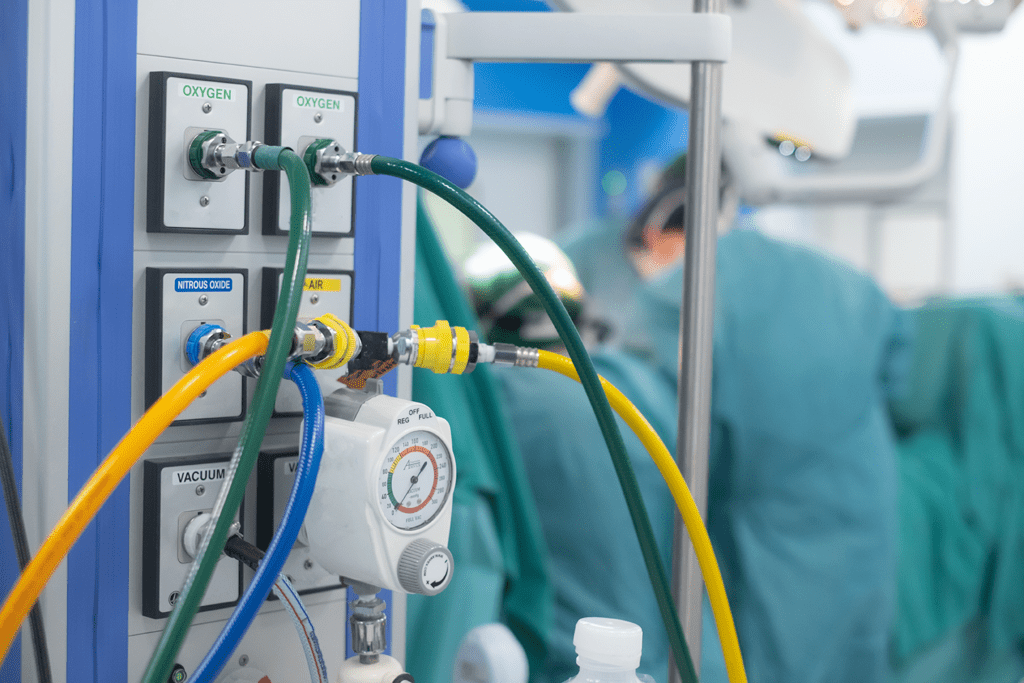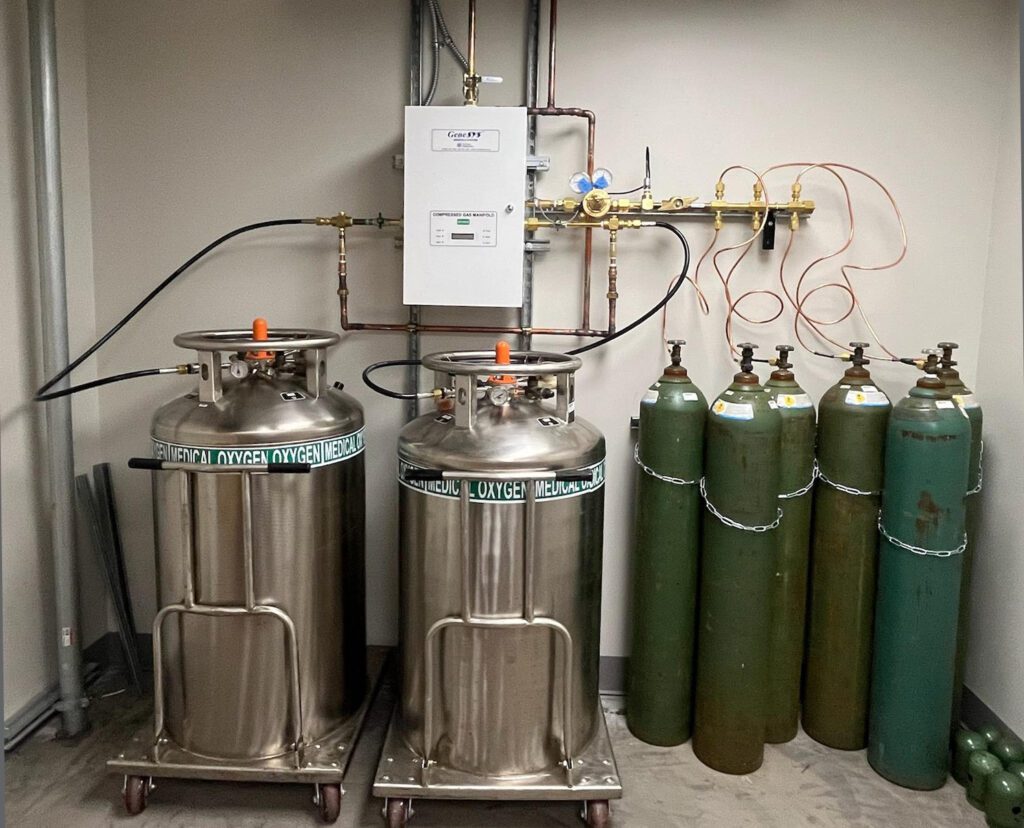

For hospital compliance officers, biomedical engineers, facilities directors, and risk managers, ensuring the safety of a hospital’s medical gas systems is a critical responsibility. A medical gas risk assessment is a cornerstone of this effort – it helps identify potential hazards in piped gas and vacuum systems and verifies that your facility meets NFPA 99 compliance requirements. Medical gas systems (oxygen, nitrous oxide, medical air, vacuum for suction, etc.) truly are lifelines of patient care, quietly delivering the gases and suction needed to keep patients alive. A sudden failure in such a system can be immediate and catastrophic, potentially resulting in serious injury or even loss of life. To mitigate these risks, the National Fire Protection Association’s NFPA 99: Health Care Facilities Code provides strict guidelines that mandate a proactive, risk-based approach to medical gas system design and maintenance. Compliance with NFPA 99 isn’t optional – regulatory agencies like the Centers for Medicare & Medicaid Services (CMS) have adopted NFPA 99 as a required standard, meaning healthcare facilities must adhere to the code (2012 edition and beyond) to remain in operation. In fact, using or installing medical gases improperly can lead to serious incidents such as fires or explosions, which NFPA 99 aims to prevent through its safety criteria. In this article, we’ll explain why regular risk assessments are so critical, outline the key steps in conducting one, examine how NFPA 99 categorizes risk levels, and highlight the benefits of scheduling regular compliance reviews to keep your facility safe and up to code.
Why Risk Assessments Are Critical
Medical gas risk assessments are essential for maintaining a safe healthcare environment. They provide a systematic way to uncover weaknesses or potential failures in the gas supply and distribution infrastructure before those issues lead to accidents. For example, even a small leak or a miscalibrated valve can pose a danger if left undetected. By performing a risk assessment, the facility can catch and fix such problems proactively – long before they escalate into emergencies that jeopardize patient safety. In a busy operating room or intensive care unit, everything hinges on the continuous, reliable delivery of oxygen and other gases. A single point of failure in the gas system under those conditions could endanger vulnerable patients within minutes. Regular risk assessments ensure that these high-stakes scenarios are considered and that contingencies (such as alarms, backup systems, and response protocols) are in place to prevent disaster.
Just as importantly, risk assessments drive code compliance. NFPA 99 is built around the principle of assessing risk to determine how a system should be designed and managedc. In practical terms, this means that healthcare facilities must evaluate the potential impact of a medical gas system failure (e.g. who could be hurt, and how severely) and use that evaluation to classify the system’s risk category. This process isn’t just a best practice – it’s required. Since July 2016, CMS and accrediting organizations have expected facilities to perform documented risk assessments for their medical gas and utility systems as part of NFPA 99’s implementation. Without a formal risk assessment, a hospital might not be able to demonstrate that its gas systems are designed to the appropriate safety level, which can lead to non-compliance citations or liability exposure. In short, medical gas risk assessments are critical both for protecting lives and for satisfying the legal/regulatory obligations that come with operating a healthcare facility.
Key Steps in a Medical Gas Risk Assessment
Performing a thorough medical gas risk assessment involves several key steps. It is a collaborative process that typically includes facility management, biomedical engineers or technicians, and often third-party medical gas specialists. By following a structured approach, you can ensure no aspect of safety is overlooked. Here are the primary steps:
- Identify Potential Hazards: Begin by listing all potential hazards associated with the medical gas and vacuum systems. This includes obvious dangers like gas leaks or pipeline failures, but also subtler issues such as improper installation, faulty alarm sensors, or even human errors in operating the equipment. Walk through the entire system – from source tanks or bulk gas storage, through the piping network, to outlets in patient care areas – and note anything that could go wrong. Common hazards to look for are leaks, insufficient supply pressures, cross-connected lines, alarm malfunctions, or component failures (compasscryo.com).
- Assess Likelihood and Impact: For each identified hazard, assess how likely it is to occur and what the consequences would be if it did occur. In risk management, this is often done by assigning a likelihood level (frequent, occasional, rare, etc.) and a severity level (minor inconvenience, equipment damage, patient harm, catastrophic injury, etc.). Using a risk matrix or similar tool can help quantify the risk level by combining these factors. For example, a small leak in a low-use area might be unlikely and have minor impact (low risk), whereas a failure in the main oxygen line of an ICU is unlikely but would have severe impact (higher risk). This step helps prioritize which risks need the most urgent attention.
- Evaluate Existing Controls: Next, review what safety measures or controls are already in place to mitigate each identified risk. Your facility may have various safeguards – such as automatic shut-off valves, gas leak detection systems, preventive maintenance schedules, staff training programs, and emergency response protocols. Examine how effective these current controls are and whether they sufficiently reduce the likelihood or impact of each hazard. In many cases, this evaluation may reveal gaps. For instance, you might discover that while you have alarm systems for low oxygen pressure, staff members on night shifts haven’t been adequately trained in how to respond to those alarms. Understanding the status quo is critical to knowing where improvements are needed.
- Recommend Additional Controls: After evaluating existing safeguards, determine what additional controls or improvements are necessary to reduce any unacceptable risks to an acceptable level. This could involve engineering controls (e.g. installing updated pressure monitors, adding redundant supply lines or backup manifolds, upgrading alarm systems), administrative controls (revising operating procedures, enhancing staff training, scheduling more frequent inspections), or even personal protective equipment for maintenance staff in certain scenarios. The idea is to outline a clear action plan for mitigating each significant hazard. For example, if a risk assessment finds that a particular emergency oxygen manifold could run empty without warning, a recommendation might be to install a remote monitoring alarm or to increase the frequency of cylinder checks. Every recommended control measure should correspond to a risk that was identified and bring the risk down to a level deemed acceptable under NFPA 99 guidelines.
- Documentation and Planning: Finally, document all findings and decisions. A comprehensive risk assessment report should detail the hazards identified, the assessed risk levels, and the mitigation measures (existing and proposed). This documentation is crucial not only for internal tracking but also for demonstrating compliance to authorities. It’s wise to include who is responsible for each corrective action and an implementation timeline. The report essentially becomes your roadmap for risk mitigation. Once the plan is in place, schedule any needed upgrades or training and ensure they are carried out. Documentation should be maintained and updated whenever changes occur in the system or when new hazards emerge. This way, the risk assessment remains a living document that evolves with your facility.
By following these steps, a hospital or clinic can methodically address the safety of its medical gas systems. A risk assessment doesn’t end with a report – it culminates in action items that improve safety and reliability. Many facilities partner with specialized medical gas compliance firms (like Compass Cryogenics) to perform these assessments and implement solutions, leveraging expert guidance at each step of the process.
How NFPA 99 Categorizes Risk Levels
A central feature of NFPA 99 is its risk-based categorization of building systems. Unlike older codes that classified systems by facility type or size, NFPA 99 requires that systems be categorized by the risk to patients if the system fails. For medical gas and vacuum systems, NFPA 99 defines four risk categories (Category 1 through 4), ranging from critical systems whose failure could be fatal, down to systems whose failure would not noticeably affect patient care. In practice, a formal risk assessment is conducted to determine which category each system belongs in. The categories are defined as follows:
- Category 1: Systems where failure is likely to cause major injury or death to patients or caregivers. These are critical life-supporting services that absolutely cannot fail without immediate serious consequences. Example: An inpatient hospital’s main oxygen supply for operating rooms or intensive care units would be Category 1, since an interruption could be life-threatening within minutes.
- Category 2: Systems where failure is likely to cause minor injury to patients or staff. These are important for care but a failure, while harmful, is unlikely to be immediately life-threatening. Example: A procedure room’s nitrous oxide system for moderate sedation might be Category 2 – a failure could cause pain or minor injury but is not usually fatal if promptly addressed.
- Category 3: Systems where failure is not likely to cause injury, but could cause discomfort to patients or caregivers. These are lower-risk support systems. Example: A dental office’s oxygen/air system (without general anesthesia use) could be Category 3 – a loss of gas might force cancellation of a procedure and cause patient discomfort, but would not threaten lives.
- Category 4: Systems where failure would have no impact on patient care. Essentially, these systems are convenience or non-clinical utilities whose outage would not injure patients. Example: A basic examination room or administrative area with a medical gas outlet (used only occasionally, if at all) might be Category 4 – a failure of that gas supply would not affect patient health or safety.
It’s important to correctly categorize each segment of your medical gas system because different NFPA 99 requirements apply to each category. Category 1 systems, for instance, must meet the most stringent installation, redundancy, and maintenance standards (since lives are on the line), whereas Category 4 systems have minimal requirements. During facility design or upgrades, a multidisciplinary team should evaluate the intended use of each space and system to assign the proper category. For example, if an outpatient clinic is adding a new surgical suite, the risk assessment might determine that the medical gas supply for that suite must be Category 1 – and therefore the piping, alarms, and backup systems must all comply with Category 1 provisions of NFPA 99. By contrast, an office area with only a resuscitation oxygen tank could be Category 4 with far fewer code requirements.
Under NFPA 99, the risk assessment process essentially drives the code compliance approach: the higher the risk category, the more robust the protection measures required. This risk-based framework ensures that resources and attention are focused where failure would be most dangerous. It also gives hospitals flexibility – they are not forced to build everything to the highest level, only those systems that truly need it. The key is that you must perform the analysis and be able to justify the category for each system. Thorough documentation of your risk assessment will show inspectors and accrediting bodies that your facility has conscientiously applied NFPA 99 by designing and maintaining systems appropriate to their risk level.
Benefits of Regular Compliance Reviews
Conducting a medical gas risk assessment should not be a one-time event. Regular compliance reviews (e.g. annual or periodic risk re-assessments, audits, and maintenance checks) are vital to keep your facility continuously safe and up-to-date with NFPA 99. In fact, ongoing risk assessments are considered a part of proper facility management for critical utilities. Over time, hospitals change – you might add new medical equipment, renovate departments, or experience staff turnover – and code standards themselves can be updated. Regular reviews ensure that new hazards are addressed promptly and that your systems remain in line with current standards. It is imperative to have your medical gas equipment and systems checked regularly; doing so keeps patients and staff safe and also keeps your compliance documentation up to date. In other words, consistent reviews both protect lives and keep you prepared for any regulatory inspections.
Key benefits of regular medical gas compliance reviews include:
- Enhanced Patient Safety: Frequent inspections and risk assessments help catch problems early. Issues like a slow leak, aging equipment, or mislabelled valve can be identified and corrected before they pose a serious threat. This proactive approach “ensures medical gas systems function flawlessly, preventing potential failures that could endanger patients”. Regular drills and checks also mean that staff are well-prepared to respond to any gas system emergency, further safeguarding patient health.
- Regulatory Compliance & Readiness: Staying on top of compliance through regular reviews means your facility is always ready for surveys and audits. You’ll have up-to-date records of risk assessments, mitigation plans, maintenance logs, and staff training – exactly what authorities like The Joint Commission or state inspectors expect to see. You minimize the risk of citations or penalties by demonstrating continuous adherence to NFPA 99 standards. Since CMS holds facilities accountable to the NFPA 99 code, ongoing compliance reviews are essentially an insurance policy against falling out of compliance. They ensure that even as standards evolve, your facility keeps pace.
- Improved System Reliability and Efficiency: A well-maintained, regularly evaluated medical gas system will perform more reliably and efficiently. By checking pressures, alarm functionality, and equipment condition on a routine basis, you ensure that the system is delivering the required flow rates without interruption. This can reduce unexpected downtime. According to industry experts, well-maintained systems consistently meet their performance targets and avoid the strain that comes from neglect. In practical terms, that means fewer false alarms, optimal oxygen delivery, and confidence that backups will work when needed. Efficient systems also tend to use resources (like electricity for compressors) more effectively, which can slightly lower operational costs.
- Cost Savings and Equipment Longevity: Preventive care for your medical gas infrastructure saves money in the long run. Regular compliance reviews often go hand-in-hand with preventive maintenance – replacing worn parts, fixing small leaks, and calibrating sensors on a schedule. This prevents expensive emergency repairs and avoids the high costs of system failures or hospital service interruptions. Moreover, taking care of the equipment extends its lifespan. For instance, keeping vacuum pumps and compressors clean and within specifications will delay the need for costly replacements. As one industry publication notes, routine maintenance and timely fixes can significantly reduce overall costs and ensure equipment longevity. In essence, you’re investing a little in ongoing upkeep to save a lot by averting crisis scenarios and premature capital expenses.
Finally, regular reviews cultivate a culture of safety and continuous improvement. They create recurring opportunities to educate staff, update procedures, and incorporate the latest best practices (or code updates) into your facility operations. Rather than viewing compliance as a checkbox, forward-thinking hospitals treat it as an ongoing process that yields better outcomes for patients and staff alike.
Compass Cryogenics provides medical gas risk assessment and compliance services across a wide region. By partnering with dedicated experts, healthcare facilities can simplify the process of staying compliant. Compass Cryogenics in particular can assist in conducting thorough NFPA 99–aligned risk assessments and outline the steps needed to ensure your medical gas system meets all code requirements. If you are unsure whether your facility’s medical gas setup still meets current standards, it may be time to schedule a professional risk assessment. An experienced team will identify any necessary changes, repairs, or upgrades to keep you in full compliance with NFPA 99 patient safety criteria. The end result is peace of mind – knowing that your facility meets regulatory requirements and upholds the highest safety and reliability standards every day. Don’t wait for an accident or a failed inspection to find out if something is amiss. Schedule a medical gas risk assessment with Compass Cryogenics and ensure your hospital’s lifeline systems remain safe, compliant, and ready to support excellent patient care.
Frequently Asked Questions (FAQs)
A medical gas risk assessment is a formal process used to identify and evaluate potential hazards within a healthcare facility’s piped gas and vacuum systems. It helps determine how likely failures are, how severe the consequences would be, and what safety measures are needed to meet NFPA 99 requirements.
While there is no one-size-fits-all rule, most facilities conduct a comprehensive risk assessment at least every 1–3 years or when major system changes occur (e.g., renovations, new installations). Annual reviews and updates are strongly recommended to ensure continued compliance with NFPA 99.
Responsibility often lies with the facility director, biomedical engineer, or safety officer. However, many healthcare facilities partner with certified third-party experts, like Compass Cryogenics, to ensure that assessments are thorough, code-compliant, and properly documented.
Failing to perform a risk assessment can result in code violations, citations during Joint Commission or CMS surveys, or even legal liability if a system failure harms patients. More importantly, it puts patient safety at risk by allowing undetected hazards to persist in critical infrastructure.
NFPA 99 mandates a risk-based approach to evaluating medical gas systems. It requires that healthcare facilities assign systems to a risk category (1–4) based on how a failure would affect patient outcomes. The risk assessment is what determines the level of safeguards, maintenance, and system design required under the code.