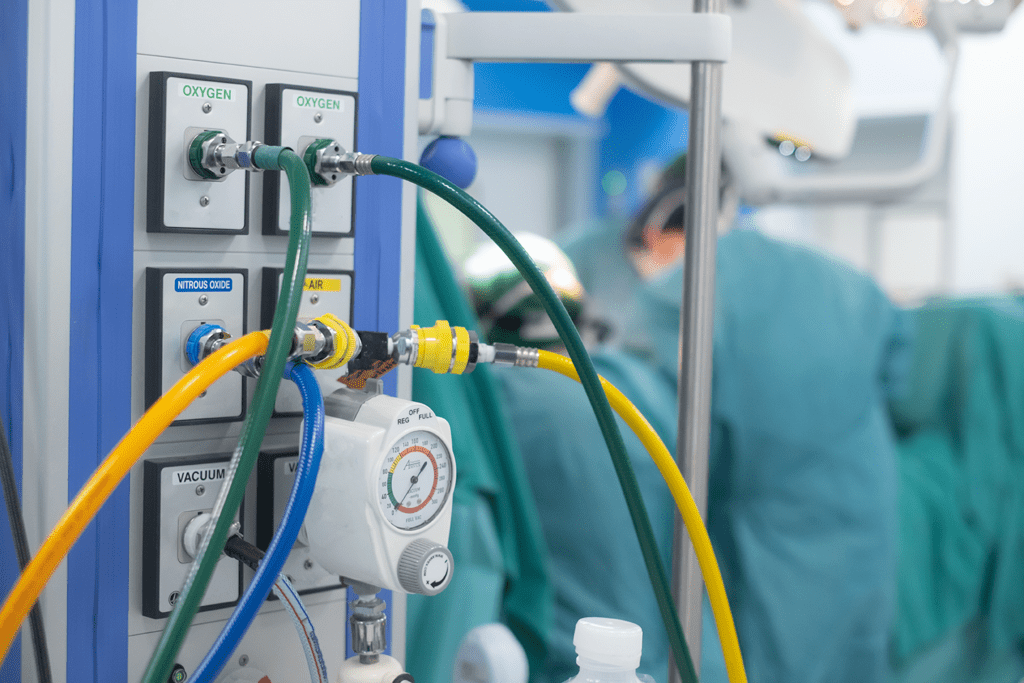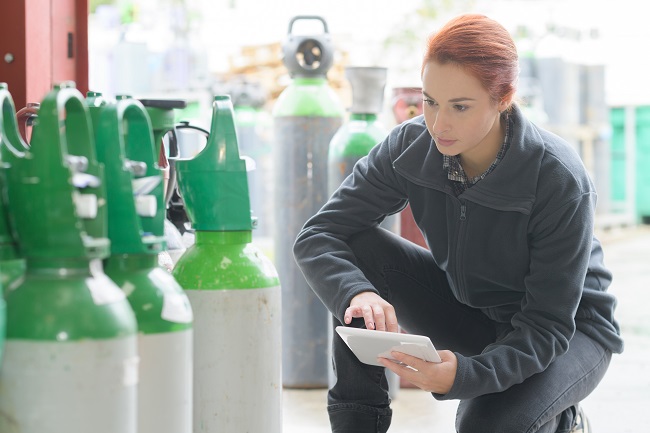
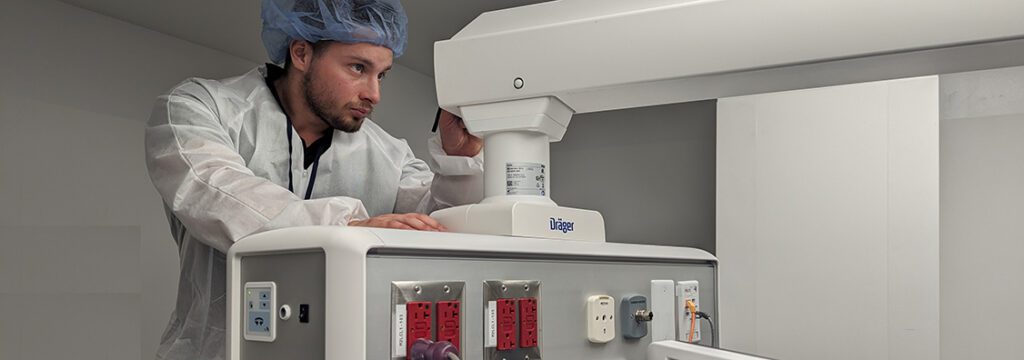
Medical gas system verification is a critical safety step before a new or modified medical gas pipeline is put into service. Third-party verifiers ensure installations meet NFPA 99 code requirements and are safe prior to patient use.
In healthcare construction, turning on a new medical gas pipeline isn’t as simple as flipping a switch – it must first undergo a rigorous third-party verification to ensure everything is safe and code-compliant. Medical gas system verification is the final inspection and testing of a facility’s piped medical gas and vacuum systems by a certified professional who was not involved in the installation. This verifier confirms the installation meets all applicable standards (notably NFPA 99, the National Fire Protection Association’s Health Care Facilities Code) and that the system is safe before patients rely on it. In this article, we’ll explain what medical gas verification involves and why it’s required by code, when you need third-party verification (e.g. new construction and renovations), what exactly a verifier checks (from pressure tests to alarm checks), and how to choose a qualified verifier. By understanding this critical process, architects, contractors, facilities managers, and hospital compliance officers can ensure their medical gas systems are code-compliant – and know when to call on expert services like Compass Cryogenics for help in achieving certified verification.
Understanding ASSE 6030 Verification Requirements
One of the key requirements in NFPA 99 is that any new or modified medical gas system must be tested by a qualified verifier who meets ASSE 6030 certification standards. In plain terms, this means the final testing cannot be done by the installing contractor; it has to be an independent third party with the proper credentials. ASSE 6030 refers to the professional qualification standard for Medical Gas Systems Verifiers (established by the American Society of Sanitary Engineering). To become an ASSE 6030-certified verifier, an individual needs a strong background in the field – candidates must have at least two years of hands-on experience verifying medical gas systems and complete specialized training (typically a 32-hour course) before passing written and practical exams. In short, ASSE 6030 certification ensures the verifier is highly trained and knowledgeable in NFPA 99 requirements, testing procedures, and safety protocols for medical gas and vacuum systems.
This certification requirement is no mere formality – it’s written into code to guarantee that the person signing off on your medical gas system’s safety is truly competent and unbiased. NFPA 99 (in its 2018 and later editions) explicitly states that system verification testing must be performed by “a party other than the installing contractor,” and that this party must meet the ASSE 6030 (or equivalent) qualifications. The rationale is to provide an impartial check on the installer’s work and to uphold patient safety. Verifiers with ASSE 6030 credentials use calibrated instruments and detailed procedures to ensure every aspect of the system complies with the code before it is approved for use. If you’re involved in a healthcare construction project, it’s crucial to plan for this third-party verification step – it’s not only a legal requirement in most jurisdictions but also a critical safety practice.
When/Why You Need Third-Party Verification (New Construction & Renovations)
Third-party medical gas verification is required whenever a new medical gas piping system is installed or an existing system is modified as part of a renovation or expansion. In fact, NFPA 99 mandates that “all components of new piped systems (medical gases, vacuum, waste anesthesia gas disposal), as well as all additions, renovations, temporary installations and repaired systems, should be tested” before being put into service. In practical terms, this means you will need to schedule an independent verifier for any new construction project involving medical gas lines and for any significant renovation that alters those systems. It’s not just for large hospital projects, either – even smaller facilities like surgery centers, dental clinics, and veterinary hospitals must have their piped gas/vacuum systems verified after installation or updates, to meet code and accreditation standards.
The reason why verification is needed in these cases comes down to safety and compliance. A certified verifier provides assurance that the system has no leaks, cross-connections, or functional issues that could endanger patients once the gas is turned on. In fact, medical gases cannot be administered to patients until the system is tested and signed off by a third-party ASSE 6030 verifier. This final check catches any installation mistakes or deviations from code before they pose a risk during patient care. For example, if a line was accidentally crossed (mixing up oxygen and medical air) or an alarm valve was left closed, the verifier’s tests will expose it so it can be corrected immediately. The verification process ultimately provides “complete assurance that once placed in operation, the entire medical gas and vacuum system is safe to use and conforms to all requirements of the NFPA 99 code.” In short, before you energize any new or modified medical gas system, it must be verified for safety and code-compliance – skipping this step is not only a code violation but could put lives at risk.
What a Verifier Checks: Pressure Tests, Alarm Checks, etc.
During medical gas system verification, the certified verifier will meticulously test every aspect of the system to confirm it operates correctly and meets code. This comprehensive testing covers both the integrity of the piping installation and the functionality of all components. Key elements of a typical verification include:
- Pressure Leak Tests: The verifier pressurizes each gas pipeline (using an inert test gas like nitrogen) and performs leak tests to ensure the system can hold pressure without any drops or leaks. For instance, a standing pressure test may be done at normal operating pressure for a set duration to confirm no pressure loss. Any drop in pressure would indicate a leak that must be fixed before the system is approved. These pressure tests validate the integrity of all new piping joints and connections.
- Cross-Connection Checks: One of the most critical checks is ensuring that there are no cross-connections between different gas systems. The verifier will test each gas and vacuum line in isolation – for example, pressurizing the oxygen line while all other systems are at atmospheric pressure – to confirm that only the oxygen outlets receive pressure and no other gas outlets show flow. This guarantees that each outlet dispenses the correct gas and that a patient won’t accidentally receive the wrong gas from a mislabeled outlet.
- Valve and Zone Isolation Function: All zone valves and shutoff valves in the system are examined to verify they are installed in the proper locations (such as at each zone or room, as code requires) and that they operate correctly. The verifier will actuate each valve to ensure it can shut off flow in an emergency and that its labels (e.g. identifying which area it serves and which gas) are accurate. Proper valve function is crucial for maintenance and emergency isolation of zones.
- Alarm System Checks: Alarm panels (both master alarms in the facility’s main engineering space and area alarms on each floor/wing or critical area) are thoroughly tested. The verifier will simulate fault conditions – for example, dropping the pressure or disconnecting a source – to make sure the alarms trigger audible and visual signals as designed. According to NFPA 99, an alarm should sound if a line’s pressure varies by more than 20% from normal operating pressure, among other conditions. Verification testing ensures that all alarm indicators (for high/low pressure, bulk tank status, vacuum levels, etc.) are functioning and will immediately alert staff if something goes wrong in the system. This is essential for patient safety, as alarms provide early warning of issues like supply depletion or pressure loss.
- Outlet Flow and Pressure Verification: The medical gas outlets (and vacuum inlets) themselves are tested to confirm they deliver the expected flow rates and pressures at the point of use. The verifier will use specialized gauges and flow meters on random outlets (often the furthest outlets from the source) to measure that when a specific flow is drawn, the outlet pressure stays within the acceptable range. This operational pressure test ensures that the piping is sized and installed correctly – that, for example, when multiple oxygen outlets are in use, the pressure drop is within limits and each patient still receives sufficient flow. Vacuum inlets are tested similarly by seeing that they can draw the required airflow without excessive loss of suction.
- Purity and Contaminant Testing: Especially for medical air and other critical gases, the verifier may perform gas purity tests to ensure there are no contaminants introduced during construction. NFPA 99 sets strict purity standards – for instance, medical air should be free of significant levels of oil, moisture, carbon monoxide, or other contaminants. Verification often includes checking the dew point of medical air (to ensure the dryers are working and the air is dry enough) and using analyzers to detect any trace of hydrocarbons or other impurities in the pipelines. Particulate tests can also be done by blowing gas through a filter and weighing any residues, to confirm the pipes are clean internally. These tests protect patients from inhaling anything harmful or receiving compromised gas quality.
- Equipment and Other Code Requirements: The verifier doesn’t just test pipes and outlets – they also inspect source equipment and general code compliance details. They will verify that source systems (like the oxygen supply, nitrous oxide manifolds, medical air compressor and vacuum pump systems) are installed correctly and that backup or secondary supplies activate as intended if the primary source fails. They check that the pipeline labeling is correct (each pipe should be clearly labeled by gas type and flow direction per code), and that warning signs, zone maps, and other documentation are in place. Electrical components of the system (like alarm wiring or sensor units) are also examined for proper function. Finally, the verifier will review that all testing documentation is completed and will compile a detailed report of results for the facility’s records.
As you can see, medical gas verification is an exhaustive, methodical process – the verifier acts almost like a forensic quality inspector, examining the system’s construction and performance.
Choosing a Qualified Verifier (Credentials to Look For)
Selecting the right person or firm to perform your medical gas verification is vital. As discussed, NFPA 99 requires the verifier to be qualified to ASSE 6030 standards, so the first thing to look for is an active ASSE 6030 Medical Gas Verifier certification. Don’t hesitate to ask for proof of this credential. An ASSE 6030 certification indicates that the individual has substantial experience and has passed a rigorous exam specifically on medical gas system testing. In fact, by the time someone is certified, they have at least two years of dedicated field experience with medical gas systems– so you can trust that they know the codes and how to properly perform all required tests. Hiring a verifier without this certification (or an equivalent state-recognized credential) is generally not acceptable, and it could leave your project out of compliance.
Beyond the basic certification, there are other credentials and qualities that can help you identify a top-notch verifier:
- Additional Professional Affiliations: Many highly qualified verifiers are members of the Medical Gas Professional Healthcare Organization (MGPHO). While not required by NFPA, MGPHO provides continuing education and even its own Certified Medical Gas Verifier (CMGV) qualification to further demonstrate expertise. A verifier who is active in organizations like MGPHO (or holds the voluntary CMGV credential) is likely committed to staying up-to-date with the latest code changes, testing techniques, and best practices. This can translate into a more thorough and knowledgeable service for you. When vetting candidates, it’s worth asking about any such memberships or advanced certifications. ASSE, NFPA, and ASHE are other important ones.
- Experience and References: Experience matters – medical gas verification is a specialized skill, and there is no substitute for having done it many times before. Look for a verifier (or verification company) that has a proven track record. They should be able to cite numerous projects (hospitals, clinics, etc.) where they have successfully performed third-party verifications. If your project is particularly large or complex, you may prefer a company with multiple certified verifiers on staff, which can offer scheduling flexibility and collective expertise. Don’t shy away from asking for references or examples of past work, especially for similar facility types.
- Responsiveness and Coverage: Timing is often critical – typically, verification happens at the tail end of a construction project or just before a renovation area goes live. Choose a verifier who can accommodate your schedule and provide timely service. A reliable verification firm will offer quick turnaround on quotes and the ability to dispatch a verifier when you need them, even on tight deadlines. It can also be advantageous if the verifier is local or serves your region; they’ll be more familiar with any state or local requirements on top of NFPA 99. (For instance, Compass Cryogenics provides certified ASSE 6030 verifiers with rapid scheduling, and offers verification services across more than 15 states to meet clients’ needs quickly.)
In summary, do your due diligence when choosing a medical gas verifier. Verify their credentials (ASSE 6030 at minimum), look for experience and professional engagement, and ensure they can meet your project’s timing and regulatory needs. By selecting a qualified verifier, you not only fulfill the code requirements, but you also gain a partner who will help ensure your facility’s lifesaving gas systems are absolutely safe and reliable. If you’re unsure where to start, you can reach out to specialized providers like Compass Cryogenics – we offer fully certified medical gas verification services and are happy to guide you through the process, from initial consultation to the final report.
Ready to ensure your new medical gas system is code-compliant and safe? Contact Compass Cryogenics for expert third-party verification by an ASSE 6030 certified professional. We’ll help you verify before you operate, so you can have total confidence in your medical gas delivery system.
Frequently Asked Questions (FAQs)
Any healthcare facility or project that includes a piped medical gas or vacuum system will require medical gas verification before that system is used. This applies to hospitals, surgical centers, clinics (including dental and veterinary clinics) – essentially anywhere gases like oxygen, nitrous oxide, medical air, or vacuum suction are installed for patient care. New construction projects with medical gas piping must be verified, and so must major renovations or additions to existing gas systems. Even if only a portion of a hospital’s gas piping is modified, that altered section needs verification testing. In short, if you are installing or altering medical gas pipelines in a facility, you (and your authority having jurisdiction) will need a third-party verification report to sign off the system for use.
During verification, the certified verifier tests certain zones or the entire system for safety and functionality. Key tests include: pressure leak tests on all new piping (to ensure there are no leaks under operating pressure), cross-connection tests (to confirm each gas line is isolated and no mix-ups exist between gases), and alarm tests (making sure all master and area alarms properly signal if pressures go out of range). The verifier also checks that valves (e.g. zone shut-off valves) operate correctly and are labeled, measures outlet flow and pressure at patient connection points, and conducts gas quality analyses (for instance, checking medical air for dew point, contaminants, and proper purity). Additionally, they verify source equipment functionality (like emergency oxygen supply switchovers) and that the system labeling and documentation meet code. After testing, you receive a detailed report covering all these components and test results.
Verification is required after installation is complete but before any medical gas system is put into service for patient use. In practice, this means as soon as a new medical gas piping system is installed (or an existing system is expanded/modified), you must call in the verifier to test it prior to allowing patients to be connected. It’s typically one of the final steps in a construction or renovation project, done right before the facility or new wing opens. If the verifier finds issues, those must be fixed and re-tested, but once everything passes, the system can be certified for use. In summary, you must have verification done whenever you have new or updated medical gas piping, and always before using or administering gas from that system on patients. (Additionally, some healthcare facilities choose to have periodic re-testing of certain aspects of their gas systems as part of maintenance or accreditation requirements, but the initial verification is the non-negotiable step before first use.)
Only a qualified third-party verifier should perform the official medical gas verification. By code, the verifier cannot be the installing contractor – it has to be someone independent, with the proper credentials. Typically, verification is done by a certified professional holding the ASSE 6030 Medical Gas Systems Verifier certification (often obtained through organizations like NITC). Many hospitals and contractors hire an outside verification company that specializes in medical gas testing. In some cases, if a hospital’s own maintenance staff includes an ASSE 6030-certified verifier who was not involved in the install, they could perform the test, but this is less common. The bottom line is the person performing the verification must have the appropriate training and certification (per ASSE 6030) to meet NFPA 99 requirements. It’s wise to ask for proof of certification and experience before hiring a verifier, to ensure you’re in compliance and getting a knowledgeable professional.
Medical gas verification is crucial because it directly impacts patient safety and legal compliance. These gas systems deliver life-sustaining oxygen and other gases to patients – any undetected leak, misconnection, or system failure could lead to serious injury or death. Verification testing provides “complete assurance that the entire medical gas system is safe to use and conforms to all NFPA 99 requirements”. It ensures that problems are caught before patient care is underway. From a regulatory standpoint, verification is mandatory under NFPA 99 (which most jurisdictions and hospitals follow); without it, a facility risks failing inspections, delaying occupancy approvals, or losing accreditation. In essence, verification matters because it is the final quality control checkpoint that protects patients, staff, and the facility itself. It gives everyone confidence that the medical gas delivery system will perform reliably when it’s needed most – with no compromises on safety or compliance.