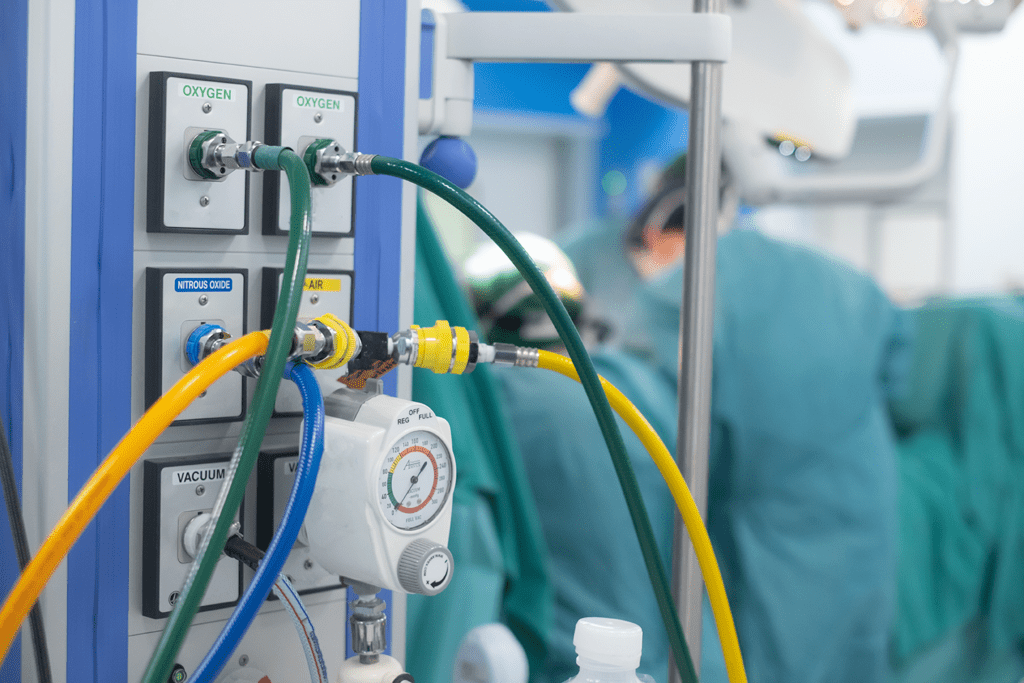

The Joint Commission is overhauling its hospital standards for 2026, merging the Environment of Care and Life Safety chapters into one Physical Environment chapter effective January 1, 2026. This overhaul simplifies the standards but does not relax any safety requirements – NFPA 99 (the medical gas code) and NFPA 101 (Life Safety Code) remain fully in force.
Expanded Surveys to Outpatient Clinics and Hospice
As of June 30, 2025, Life Safety Code surveyors will start visiting general hospital outpatient clinics – not just inpatient and surgical areas – during Joint Commission surveys. If your hospital has an inpatient hospice unit, that will get a Life Safety surveyor as well. Bottom line: expect more eyes on safety beyond the main hospital, bringing NFPA 99 medical gas compliance checks into clinics and hospice settings.
Key Compliance Risks for Medical Gas Systems
Here are some high-risk areas to double-check in your medical gas and vacuum systems before your next survey:
- Zone Valves: Make sure each shutoff valve is accessible, labeled, and staff know which area it controls.
- Alarm Systems: Verify that area alarms are installed wherever gases like O₂ or N₂O are used, and confirm master alarm panels receive all signals.
- Cylinder Storage: Store cylinders upright and secure; segregate full vs. empty tanks; post required “No Smoking” signs; and train staff.
- Verification & Documentation: Maintain up-to-date annual testing records for outlets, alarms, and vacuum systems, and keep life safety drawings and valve schematics updated (surveyors will catch outdated plans).
Even “small” details like cylinder storage will get heightened scrutiny under the expanded survey scope. Surveyors expect oxygen tanks to be properly secured and clearly marked, with full cylinders segregated from empty ones. These basic practices are crucial for compliance with the new standards.
Timeline for Changes
Outpatient clinic and hospice life safety surveys start June 30, 2025, and the new Physical Environment chapter takes effect January 1, 2026. Use the rest of 2025 to audit your off-site clinics and hospice unit for any gaps – do walkthroughs, update documentation, and fix issues before surveyors arrive.
How Compass Cryo Can Help
Keeping up with these changes can be challenging, but you don’t have to do it alone. Compass Cryo specializes in medical gas compliance and can help your facility get ready. Our services include:
- Readiness Assessments: We perform comprehensive surveys focused on medical gas systems at your hospital and clinics. You’ll get a gap analysis with an action plan to address any issues in advance.
- Documentation Prep: Compass Cryo can assemble complete documentation packages – updated drawings, maintenance logs, alarm test records, etc. – organized to show compliance with NFPA 99 and Joint Commission standards.
- Equipment Upgrades: If we find hardware or code issues, we help fix them. For example, we can add or relocate alarms, replace valves, or upgrade a manifold to resolve deficiencies.
- Training & Policy Updates: We can train your staff on medical gas safety (cylinder handling, emergency shutoff procedures, etc.) and update your policies to the latest standards. Well-prepared staff are crucial when surveyors start asking questions.
Survey Support: When it’s time for your survey, Compass Cryo provides quick-reference crosswalks mapping your medical gas documentation to the standards. This helps you quickly show evidence of compliance for any question that comes up.
Any other questions? Contact us today.
Ready to Prepare? Don’t wait until the new Joint Commission 2026 standards are in full effect. Now is the time to shore up your medical gas compliance program. Reach out to us for a consultation or readiness assessment today – your patients’ safety and your next accreditation audit depend on it.