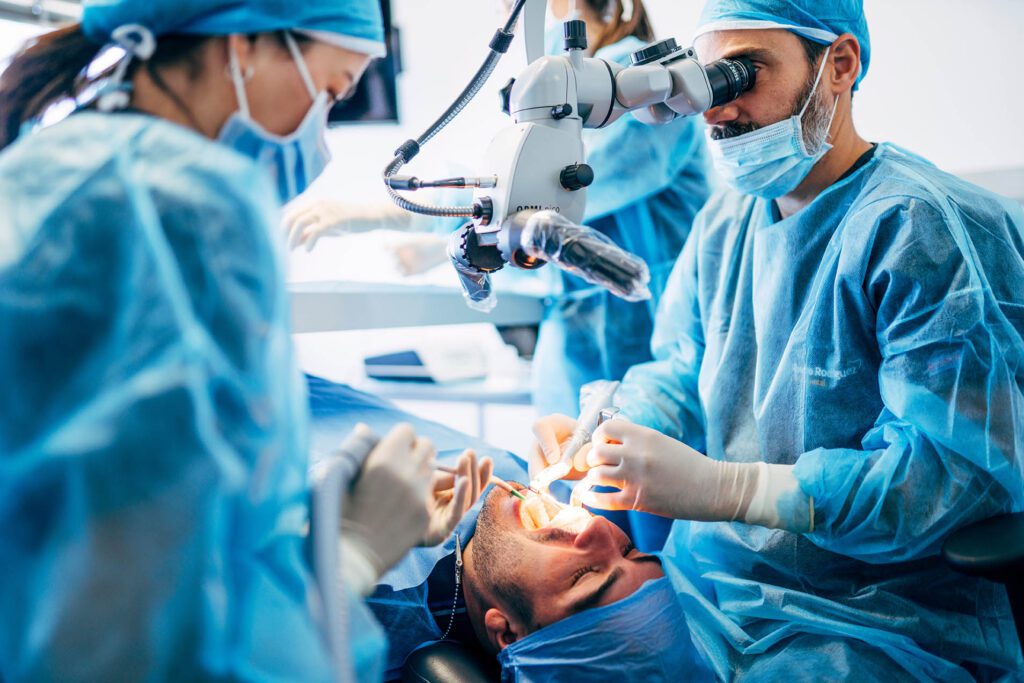
Waste anesthetic gases (WAGs) are a hidden hazard in operating rooms, laboratories, dental suites, and veterinary clinics. These gases can linger in the air when anesthetics administered to patients are not fully captured by scavenging systems or ventilation. Over time, accumulated WAGs pose significant health risks to medical staff. In this article, we explain what WAGs are, why they accumulate, the dangers of WAG exposure, and how waste anesthetic gas testing and environmental monitoring keep your healthcare team safe. We’ll reference OSHA/NIOSH guidelines and outline steps to interpret test results and take corrective action. Our goal is to educate and establish trust – and to encourage you to reach out to Compass Cryogenics for professional WAG testing services to ensure a safe breathing environment for your staff and patients.
What Are Waste Anesthetic Gases (WAG) and Why They Accumulate
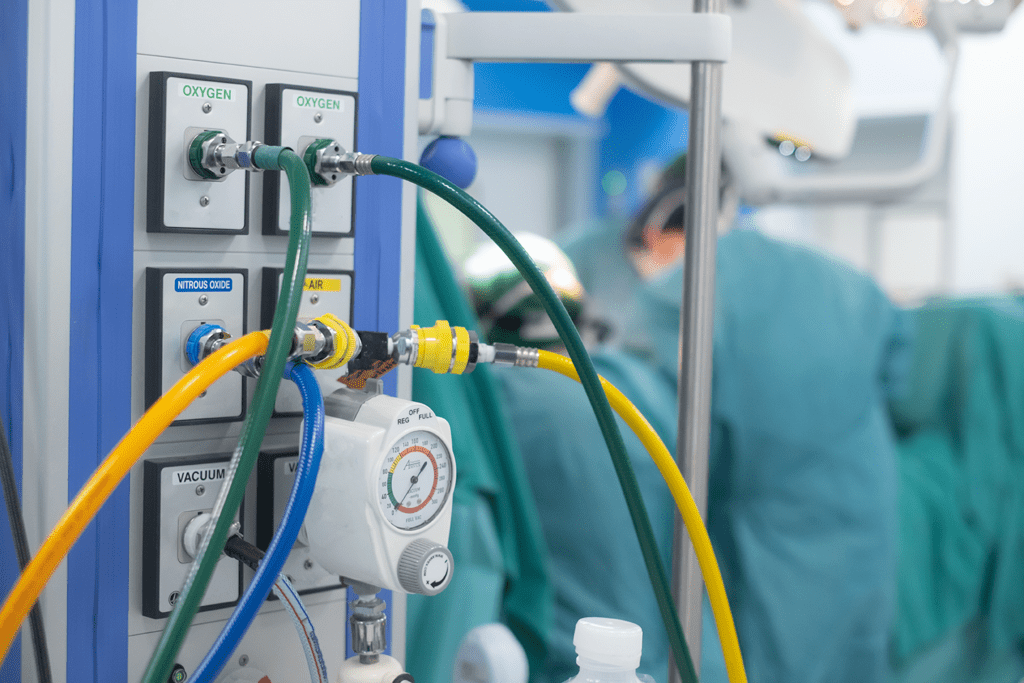
Waste anesthetic gases (WAGs) are the small amounts of anesthetic vapors that escape into the atmosphere of medical facilities during patient anesthesia. In simple terms, these are fugitive anesthetic gases and vapors that leak or are exhaled and can no longer be used for patient careosha.gov. Common WAGs include nitrous oxide and volatile anesthetic agents like isoflurane, sevoflurane, desflurane, enflurane, and halothaneosha.gov. Even with modern anesthesia machines, not all gas is absorbed by the patient – excess gas may be scavenged, but any remaining leaks out into the operating room or recovery room air.
Why do these gases accumulate? There are several sources and causes for WAG buildup in a facility:
- Patient Exhalation and Mask Leakage: Anesthetized patients exhale anesthetic gases. If masks or breathing circuits don’t fit perfectly, gases can leak around them into the room air. For example, gas often escapes when an anesthesia mask is not tightly sealed or an endotracheal tube cuff is not adequately inflated.
- Equipment Leaks: Worn or improperly fitted tubing, seals, gaskets, or connectors in the anesthesia delivery system can leak anesthetic gas. Even small cracks or loose fittings in vaporizers and breathing circuits may allow continuous escape of gas.
- Poor or Ineffective Scavenging: Anesthetic gas scavenging systems are designed to capture and remove excess gas. If a scavenger system is not installed, not functioning, or is used improperly, WAGs will accumulate. Ineffective scavenging (e.g. a disconnection or a full absorption canister) can let waste gases vent directly into the room. Notably, passive charcoal canisters do not absorb nitrous oxide effectively – active vacuum scavenging is required for nitrous oxide removal.
- Inadequate Ventilation: General ventilation alone cannot control WAG levels. If the operating room’s air exchange rate is too low or ventilation systems are not working optimally, trace gases will build up. WAG accumulation is especially problematic in settings with recirculating airflow or insufficient fresh air supply.
- Work Practices and Spills: Staff practices can contribute to WAG release. Turning on anesthetic gas flow before properly connecting the circuit, or failing to flush the system after use, allows anesthetic vapor to escape into the room. Additionally, accidental spills of liquid anesthetics (while filling vaporizers, for example) can evaporate and raise ambient (levelsosha.gov).
Without controls, these waste gases can persist in the room air, exposing everyone in the vicinity. Proper engineering controls (like well-maintained scavenging systems and adequate ventilation) and work practices are crucial to minimize WAG accumulation. However, the only way to truly know if your controls are effective is to perform WAG testing and environmental monitoring. Regular testing identifies any buildup of anesthetic vapors so that you can take action before staff health is put at risk.
Health Risks to Staff from WAG Exposure
Operating room personnel and others working around anesthetics should be aware that chronic exposure to waste anesthetic gases can have serious health consequences. Even low levels of residual anesthetic vapor, if breathed day after day, may affect worker health. Short-term (acute) exposure to high concentrations of WAGs – even for a brief period – can cause noticeable symptoms such as headaches, irritability, fatigue, nausea, drowsiness, and difficulties with judgment or coordination. In extreme cases or with very high exposures, workers have reported dizziness or even lightheadedness akin to being sedated themselves. These symptoms not only cause discomfort but could impair job performance or increase the risk of errors in critical care environments.
More alarmingly, long-term exposure to trace anesthetic gases (over months or years) has been linked to a range of health problems. Numerous studies and reports have raised concerns about reproductive health effects in particular. Both male and female staff exposed to unscavenged anesthetic gases have shown higher rates of fertility issues and miscarriages. For example, female dental assistants working with nitrous oxide without proper scavenging had a significantly increased risk of reduced fertility and spontaneous abortion in some studiesosha.govosha.gov. There is also evidence that chronic WAG exposure may contribute to birth defects in the children of exposed workers and even in the children of their spouses. These reproductive hazards underscore why pregnant workers and those planning to conceive must be protected from anesthetic gas exposure.
Beyond reproductive risks, waste anesthetic gases have been associated with other long-term health complications. Some studies (especially on older anesthetic agents no longer widely used) documented increased rates of liver and kidney disease among exposed healthcare workers. There are also indications of possible genetic damage and even elevated cancer risk in workers chronically exposed to high levels of anesthetic vapors. While data on newer agents (like isoflurane, sevoflurane, desflurane) are less conclusive, occupational safety agencies advise precaution. The CDC’s National Institute for Occupational Safety and Health (NIOSH) notes that it’s prudent to minimize any unnecessary exposure to WAGs – even modern anesthetics – since the full health impact may not be completely understood.
In summary, WAG exposure limits exist for a reason: they protect staff from both immediate symptoms and insidious long-term effects. No one wants their surgical team suffering from constant headaches or fatigue. Even less so would any employer want to contribute to serious outcomes like miscarriages or organ damage. This is why OSHA and NIOSH have published guidelines for controlling WAGs and recommend regular monitoring of anesthetic gas levels in workplaces. By staying within recommended exposure limits (discussed below) through effective controls and testing, you can ensure your staff is not breathing unhealthy air.
How WAG Testing is Performed (Standards and Tools)
Waste anesthetic gas testing is the process of measuring the concentration of anesthetic vapors in the environment to ensure they are below recommended safety thresholds. Performing WAG testing typically involves industrial hygiene techniques and specialized equipment. OSHA and NIOSH guidelines encourage regular air monitoring in areas where anesthetics are, and they outline methods for both personal exposure assessment and room monitoring.
Sampling methods: There are two primary approaches to measuring WAG levels – time-integrated sampling and real-time sampling. In time-integrated sampling, air is collected over a period (for example, over the duration of a surgery or a full work shift) and then analyzed. This can be done by equipping staff with passive dosimeter badges that absorb anesthetic vapors while they workosha.gov. One commonly used device is a nitrous oxide passive monitor badge, which can sample for 15 minutes up to several. For halogenated agents like isoflurane or sevoflurane, active air sampling pumps can draw air through sorbent tubes (e.g. Anasorb charcoal tubes) over a set time. After sampling, these tubes or badges are sent to a laboratory for analysis to determine the average concentration (time-weighted average) of anesthetic gas in the air.
In real-time (continuous) sampling, portable analyzers are used to get instant readings of gas levels. A common tool is an infrared spectrophotometer configured to detect anesthetic gases. These handheld or stationary IR monitors can sniff out nitrous oxide or halogenated vapor levels in the OR and give immediate feedback. Real-time monitoring is extremely useful for pinpointing sources of leaks – for example, an infrared analyzer can be moved around anesthesia machines, connectors, and hoses to detect where gas might be seeping out. If a leak is present, the monitor’s readings will spike, allowing technicians to identify and fix the issue promptlyosha.gov.
Standards and guidelines: While performing WAG testing, it’s important to compare measurements against recognized exposure limits. NIOSH’s recommended exposure limits (RELs) are often used as the benchmark since OSHA has not set enforceable PELs for anesthetic. The key guidelines to know are:
- Nitrous Oxide (N₂O) – NIOSH REL is 25 ppm as a time-weighted average during anesthetic administrationosha.gov. (ACGIH’s threshold limit value for N₂O is slightly higher at 50 ppm over 8 hours, but many organizations choose the more protective 25 ppm standard.)
- Halogenated anesthetic agents (isoflurane, halothane, sevoflurane, etc.) – NIOSH recommends no worker be exposed to concentrations above 2 ppm (ceiling) during any single sampling period up to one. In practice, this means the average in an operating room should be well under 2 ppm. In fact, if nitrous oxide is used simultaneously and kept at 25 ppm, the halogenated agents typically stay below 0.5.
- These limits are very low, reflecting how even trace amounts can be undesirable. Therefore, sensitive instruments and careful sampling are required to detect down to these levels.
When Compass Cryogenics conducts WAG testing, we follow these established methods and standards. A professional assessment may include placing dosimeter badges on staff or in room areas, running real-time monitors during active surgeries, and even doing equipment leak tests. For instance, as part of a comprehensive WAG survey, technicians can perform leak tests on the anesthesia machine (checking connectors, gaskets, the scavenging interface, etc.) while an analyzer verifies that no significant gas is escaping. After monitoring, you receive a detailed report showing the measured concentrations of each anesthetic gas and how they compare to OSHA/NIOSH guidelines. This data-driven approach removes guesswork – you’ll know for sure if your operating room has safe air or if further controls are needed.
Interpreting Test Results and Taking Action (Improving Ventilation, etc.)
After completing waste anesthetic gas monitoring, the next step is to interpret the results and determine if any action is required. Interpreting WAG test results involves comparing the measured concentrations of gases (e.g., ppm of nitrous oxide or isoflurane) against recommended exposure limits and standards. If all values are well below the guideline limits, that’s a good indication your current controls are effective. However, if any levels are approaching or exceeding the recommended limits (such as nitrous oxide above 25 ppm TWA, or a halogenated agent near a 2 ppm ceiling), it’s a clear red flag that you need to intervene to protect staff health and ensure.
What actions should you take if WAG levels are too high? Here are some key steps and solutions for improving your environment and reducing exposure:
- Improve or Repair Anesthetic Scavenging Systems: The scavenging system is the first line of defense. Ensure that your anesthesia machines are properly connected to functional scavengers that actively pull waste gases out of the room. If test results indicate high WAG, have the system inspected for blockages, disconnections, or malfunctions. Sometimes a simple fix – like replacing a worn-out seal or tightening a hose connection – can greatly reduce leaks. If you’re using passive absorption canisters, consider upgrading to an active vacuum scavenging system, especially for nitrous oxide (since passive systems won’t capture N₂O effectively). Most hospitals and surgical centers call this WAGD, or Waste Anesthetic Gas Disposal systems. Scavenging in mostly used in Dental these days, and in the past hospitals called it Evacuation, (outlets/inlets and pipe were labeled “EVAC”)
- Enhance Room Ventilation and Airflow: Verify that your operating room ventilation meets recommended air exchange rates. In many ORs, 15–20 air changes per hour with a good mix of fresh (outside) air is advisable. If WAG is accumulating, consult your facility engineers to increase general exhaust or add local exhaust near the anesthesia area. Installing ducted exhaust hoods or “snorkel” suction near the anesthesia gas release points can capture gases at the source. Remember, normal building HVAC alone may not be enough – targeted local ventilation is often needed for anesthetic gases.
- Adopt Good Work Practices: Sometimes exposure can be curtailed by adjusting how staff handle anesthetics. Simple protocol changes can make a big difference: for example, do not turn on the anesthetic gas flow until the circuit is attached to the patient and the mask or tube is securely in place. When a procedure ends, purge or flush the anesthesia circuit gases into the scavenger system rather than the room. Encourage staff to promptly turn off gas flow at the source when not needed. Using the correct size mask or endotracheal tube for a snug fit will minimize leaks during administration. Training and reminding anesthesia providers of these best practices ensures that avoidable releases are prevented.
- Maintenance and Leak Checks: Regular preventive maintenance of anesthesia equipment is critical. Schedule routine leak tests on machines – at least annually or per manufacturer guidelines – to catch problems early. A common practice is to perform a low-pressure leak test of the anesthesia machine and breathing circuit at the start of each day or each case (as recommended by the FDA checklist) to make sure there are no leaks before patient use. If your WAG test identified a specific piece of equipment as a source of leakage, take it out of service until repaired.
- Follow-Up Monitoring: After making improvements, conduct follow-up WAG measurements to verify that the corrective actions were effective. This iterative approach – test, fix, and re-test – will ensure that the environment truly meets safety standards. Continuous or periodic monitoring can also be used as an ongoing quality assurance measure to catch any future issues early.
By interpreting the WAG testing results and implementing these actions, you can drastically reduce waste anesthetic gas levels. The outcome is a safer, healthier workplace: staff will be breathing clean air well below harmful thresholds, and your facility will stay in compliance with occupational health guidelines. It’s important to document all measurements and mitigation steps as part of your environmental safety program – regulators and accreditation bodies (like The Joint Commission) will want to see evidence that you are actively managing anesthetic gas hazards.
Protecting your staff from WAG exposure is not only a regulatory responsibility, it’s also a commitment to their well-being. Proactive facilities foster trust and morale by showing employees that their health is valued. If you’re unsure about your current WAG levels or need help with testing and improvements, consider reaching out for professional assistance.
Compass Cryogenics is here to help. We offer comprehensive waste anesthetic gas testing services and environmental monitoring for hospitals, surgical centers, dental offices, veterinary clinics, and laboratories. Our experts use calibrated equipment to measure your air quality against OSHA and NIOSH guidelines, and we provide clear recommendations to maintain a safe breathing environment. By conducting regular WAG testing and promptly addressing any issues, you can mitigate health risks and ensure your healthcare team remains protected.
Contact Compass Cryogenics today to schedule a waste gas assessment or to learn more about our services – let us partner with you in creating a safer, compliant, and healthy workplace for all your staff.
Frequently Asked Questions (FAQs)
Waste anesthetic gases are trace amounts of anesthetic vapors that escape into the ambient air during medical procedures. They include any inhaled anesthetics that leak from the patient’s breathing circuit, anesthesia machine, or are exhaled by the patient, such as nitrous oxide and halogenated agents (isoflurane, sevoflurane, desflurane, etc.)osha.gov. In essence, WAGs are the leftover anesthetic gases that are not metabolized by the patient and should be removed by scavenging systems but can accumulate in the operating room if not properly controlled.
It is recommended to perform WAG testing on a regular, periodic basis – at least annually in many facilities – and whenever significant changes occur. NIOSH and OSHA advise that periodic air monitoring be conducted in areas where anesthetic gases are. In practice, many hospitals do an initial baseline survey and then annual testing. You should also test anytime you suspect a problem (for example, if staff report symptoms or if new equipment is installed) to ensure that control systems continue to work effectively. Regular monitoring helps catch rising exposure levels before they become a health hazard.
The most commonly referenced exposure limits come from NIOSH recommendations (since OSHA has no specific PEL for these gases). NIOSH’s guideline for nitrous oxide is 25 ppm as an 8-hour time-weighted average during anesthetic useosha.gov. For halogenated anesthetic agents (like isoflurane, halothane, etc.), the recommended limit is 2 ppm as a ceiling not to be exceeded during any period up to 1 hourosha.gov. In settings where nitrous oxide is used together with a halogenated agent, keeping N₂O at 25 ppm typically keeps the halogenated agent below about 0.5 ppmosha.gov. These limits are very stringent; any readings at or above these levels would be considered unacceptable and demand corrective action to reduce exposure.
Waste anesthetic gas testing is performed by measuring the concentration of anesthetic vapors in the air using specialized instruments. Common methods include:
- Dosimeter Badges – Small passive badges worn by staff or placed in the room that absorb anesthetic gases over time. They are later analyzed in a lab to give an average exposure level for the sampling period.
- Active Air Sampling Pumps – Devices that draw air through a sorbent tube (e.g., charcoal) at a known flow rate for a set duration. osha.gov. The collected sample is then analyzed via gas chromatography or similar methods to quantify anesthetic vapor concentration.
- Real-Time Monitors – Portable infrared analyzers or spectrophotometers that detect anesthetic gas levels on the spot. These give instantaneous readings (in ppm) and are useful for checking leaks or mapping concentration throughout a room.
- Leak Detection Tests – In addition to measuring airborne levels, technicians may perform leak tests on the anesthesia machine and breathing circuits (using pressure checks or detector fluids) to identify any points where gas is escaping.
Using these tools, professionals follow OSHA/NIOSH protocols to ensure accurate results. The data is then compared with safety standards to evaluate whether the environment is within safe limits.
If your WAG testing indicates excessive anesthetic gas levels, you should take prompt action to reduce exposure. Key mitigation steps include:
- Improve Scavenging Systems: Ensure that your waste anesthetic gas disposal system is properly installed and functioning. Repair or replace any faulty components (hoses, valves, gaskets) that might be leaking. If you only use passive canisters, consider upgrading to an active vacuum scavenger especially for gases like nitrous oxide.
- Upgrade Ventilation: Increase the ventilation in the affected area. This might involve increasing the number of air changes per hour, improving exhaust ventilation, or adding local exhaust capture near the anesthesia workstation. Better airflow will dilute and remove waste gases more effectively.
- Adopt Safe Work Practices: Train staff in techniques to minimize gas release. This includes proper mask fitting, turning off gas flow when not in use, flushing anesthetic gases into the scavenger (not into the room) after procedures, and routinely checking for leaks. Small behavioral changes can significantly cut down WAG emissions.
- Regular Maintenance: Keep anesthesia machines and ventilators well-maintained. Conduct periodic leak tests (for example, using the manufacturer’s recommended procedures or the FDA checkout guidelines) to catch leaks early. Replace any outdated equipment that no longer seals effectively.
Follow-Up Testing: After making fixes, do follow-up WAG monitoring to verify that the gas levels have dropped to safe ranges. Continued periodic testing will ensure your mitigation efforts remain effective over time.
By implementing these measures, most facilities can drastically lower waste anesthetic gas levels and create a safer environment. Don’t hesitate to consult professionals – Compass Cryogenics can guide you through both testing and remediation steps, ensuring your facility meets all safety and compliance standards for anesthetic gas exposure.