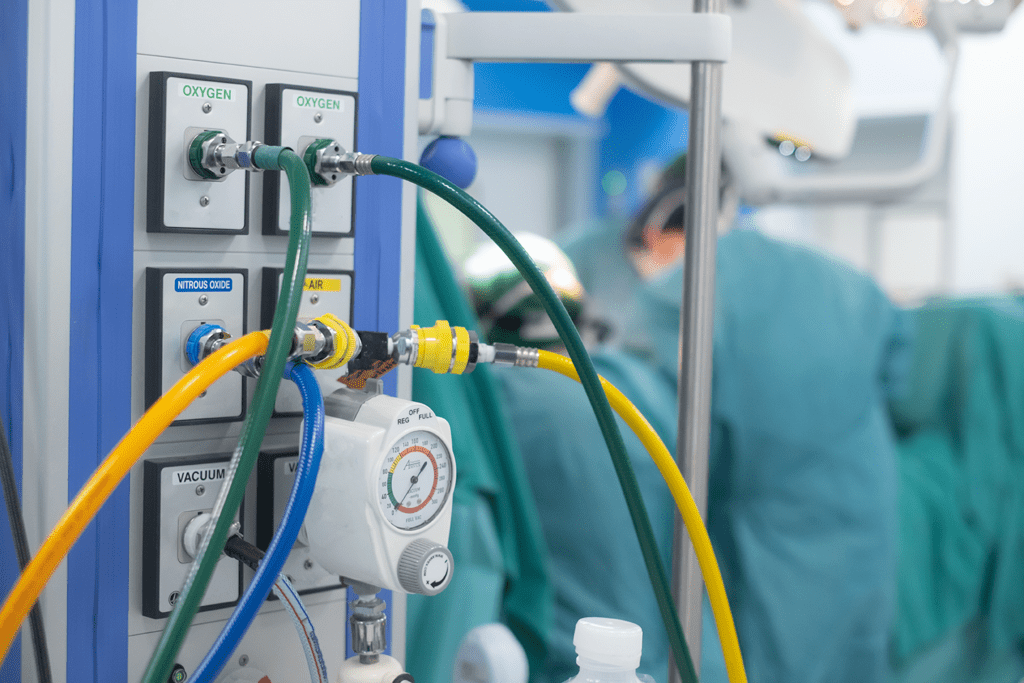
Modern hospitals rely on continuous supplies of medical gases—especially oxygen—to keep patients safe. A disruption or failure in a medical gas system can be life-threatening, often leading to patient deaths or brain injuries if oxygen delivery is interrupted. System failures not only endanger lives but can even force emergency patient evacuations in hospitals. To protect patients and maintain compliance, healthcare facilities must develop a robust medical gas emergency plan. In fact, NFPA 99 (the Health Care Facilities Code) mandates that hospitals have a medical gas emergency plan in place as part of their safety protocols. This article outlines the risks of medical gas outages, key components of an emergency gas supply plan, staff training and drills, and post-incident recovery steps. By following best practices (including NFPA 99 standards and hospital safety guidelines), administrators can ensure continuity of patient care during gas failures and create a resilient response plan.
Risks of Medical Gas Outages or System Failures
A failure in the oxygen or medical air supply is one of the most critical emergencies a hospital can face. Patients on ventilators, receiving anesthesia, or needing suction can be harmed within minutes if these systems falter. Studies in clinical settings have shown that oxygen supply failures are potentially life-threatening and frequently associated with patient death or permanent brain damage. Even with modern safety mechanisms, pipeline or bulk tank failures still occur and must be planned for. Beyond immediate patient harm, a major medical gas outage can disrupt surgeries and ICU care, create panic among staff, and violate life safety codes. In worst cases, hospitals have had to implement emergency evacuation of patients when their central oxygen system failed.
Several factors can cause a medical gas outage or system failure. Natural disasters (like earthquakes or hurricanes) may damage bulk oxygen tanks or pipelines. Infrastructure failures (such as a broken pipe, valve malfunction, or loss of power to compressors/vacuum pumps) can suddenly cut off supply. Excessive demand (for example, during a mass casualty event or pandemic surge) might deplete oxygen pressure if backup systems aren’t adequate. Even human errors or construction accidents can lead to an inadvertent shutdown. Because of these varied risks, regulatory bodies require proactive planning. NFPA 99 and accrediting organizations (e.g. The Joint Commission) expect hospitals to assess their vulnerabilities and have contingency plans for utility failures – including medical gas and vacuum systems – ready to activate when needed. In essence, preparing for a medical gas outage is not just prudent but mandatory for compliance. Notably, NFPA 99’s 2021 edition emphasizes that a facility’s designated Responsible Facility Authority must develop and implement a medical gas emergency plan. Failing to have a plan can put patients at risk and leave a facility liable for violating safety codes.
Another important point is that “medical gas” encompasses more than just oxygen. While oxygen outages pose the most acute danger, hospitals should also plan for failures of medical air compressors, vacuum (suction) systems, and other gases (like nitrous oxide or nitrogen). Loss of suction, for example, can be critical during surgeries or for trauma patients, and loss of medical air can affect ventilators and instruments. A comprehensive emergency plan should address all these systems, including backup provisions for compressed air and vacuum needs. In the following sections, we will detail how to build an effective and compliant emergency gas supply plan to mitigate these risks.
Components of an Emergency Gas Supply Plan (EOSC, Backup Cylinders, etc.)
A typical Emergency Oxygen Supply Connection (EOSC) box installed on a facility’s exterior. An EOSC provides a secure inlet where a portable oxygen source can connect to the hospital’s pipeline during an emergency. This allows a temporary oxygen supply (from a tanker or cylinder bank) to quickly take over if the primary bulk oxygen source fails, maintaining continuous flow to patients.
A strong emergency gas preparedness plan includes both physical hardware components and well-defined procedures. Key components of an emergency gas supply plan include:
- Emergency Oxygen Supply Connection (EOSC): Many hospitals have a built-in EOSC on an exterior wall. An EOSC is a special inlet that allows staff or suppliers to hook up an auxiliary oxygen source (such as a portable liquid oxygen tanker or high-capacity cylinder bank) to the facility’s main oxygen pipeline. NFPA 99 requires an EOSC for facilities whose primary oxygen tank is located outside the building, unless there is an indoor reserve that can supply one day’s worth of oxygen. The EOSC ensures that in a crisis—if your bulk liquid oxygen tank runs empty or is damaged—a backup supply can be connected within minutes to keep oxygen flowing. It should be easily accessible (with clear 3-foot clearance around it per code) and tested periodically. Valves and check valves are built in to isolate the normal supply while the emergency source is in use, and newer code updates even require EOSCs to have master alarm connection points so that the temporary supply’s status is monitored by the hospital’s alarm panels.
- On-Site Oxygen Reserves and Backup Cylinders: In addition to an EOSC, facilities should maintain some on-site reserve oxygen supply. This could be a secondary standby liquid oxygen tank or a manifold of large compressed oxygen cylinders (“H” cylinders) ready to deploy. NFPA 99 specifies that if you don’t have at least a one-day oxygen supply reserved on site, you must have an EOSC – underscoring the need for an emergency source. The emergency plan should detail how long the backup supply can last and how to activate it. For example, many hospitals have an automatic changeover manifold that switches to cylinder banks if pipeline pressure drops. Ensure that the piping from any backup cylinder system is sized to handle the flow and pressure demands of your facility. In other words, if your plan involves using a cylinder manifold to feed the building, verify that the connection and regulators can deliver sufficient oxygen to all areas (up to peak flow rates). Hospitals should evaluate the quantity of backup gas available and how it’s distributed throughout the facility. Compressed gas cylinders must also be stored and handled safely – adhere to NFPA 99 and local regulations on cylinder storage (proper racks or cages, segregation of full/empty tanks, signage). The plan should include procedures for rotating stock (so oxygen cylinders don’t sit unused past their inspection dates) and prompt refilling of used cylinders.
- Vendor Agreements and Emergency Supply Logistics: A critical element of planning is coordinating with your medical gas supplier and other vendors. Establish contracts or agreements with backup oxygen suppliers and cylinder vendors, including clauses for emergency deliveries. In an outage, you may need a supplier to deliver a portable bulk oxygen tanker or extra cylinders on short notice. Your plan should list the 24/7 emergency contact info for your gas supplier and a secondary supplier in case the primary is unable to respond. Discuss in advance the estimated delivery time for emergency oxygen and how long your on-site reserves can carry you until that delivery arrives. Many hospitals learned during recent disasters that supply chains can be strained, so having multiple options (and even mutual aid agreements with nearby hospitals or fire departments) can be lifesaving. Additionally, maintain contact information for service technicians (internal or external) who can repair or replace faulty equipment (like a vaporizer or compressor) in an emergency. The plan should also include details on where an emergency supply truck can park and connect (the location of the EOSC or alternate hookup) and ensure that area is kept clear. If the facility is in a region prone to natural disasters, consider pre-installing a concrete pad for temporary oxygen tanks or a quick-connect manifold for rapid setup.
- Alarm and Monitoring Systems: Early detection of a problem gives you a head start in an emergency. Ensure that your medical gas alarm panels (master alarms and area alarms) are functioning, tested regularly, and audible/visible to the right staff at all times. Alarms should immediately alert staff to issues like low oxygen tank levels, low pipeline pressure, or reserve in use. Modern systems can also send notifications to phones or pagers of on-call engineers. As part of the emergency plan, define who monitors the alarms after hours and what actions they should take upon an alert (e.g. call the facility manager and initiate the emergency procedure if the primary supply fails). When using a temporary supply via EOSC, make sure there is a way to monitor its pressure – per the latest NFPA 99 updates, EOSC setups should include a pressure gauge and a way to tie into master alarms. If that’s not built-in, staff may need to station a person to watch the temporary setup’s gauges. Power backup for alarm systems is also vital (alarms should be on emergency power circuits or have battery backup) because a power outage often accompanies utility failures.
- Procedural Guides and Checklists: Hardware alone isn’t enough – the emergency plan should include step-by-step procedures and checklists for staff to follow during a medical gas failure. For example, outline the procedure to isolate a broken pipeline section by closing zone valves and then back-feeding that area with portable cylinders. Identify which critical areas (ICU, OR, NICU, etc.) should get priority for backup oxygen cylinders and how to distribute those cylinders if needed. The plan should designate a chain of command: who is in charge of decision-making (usually this will activate the hospital’s Incident Command System). It might specify when to declare an internal disaster and possibly evacuate if oxygen cannot be restored in time. Incorporate roles for the respiratory therapy department (to manage ventilators and oxygen titration), nursing (to monitor patients and assist with manual ventilation if needed), and facilities/biomed staff (to manage the gas system and equipment). Basically, each team member should know their tasks when an outage strikes. Creating laminated quick-reference cards or binder checklists for “Oxygen System Failure” can be helpful on the units, so frontline staff know immediate actions (like switching patients to portable O₂ tanks, using manual resuscitators, etc.) while the facilities team works on restoring the supply.
By addressing these components – alternate supply connections, reserve supplies, vendor support, monitoring, and clear procedures – your emergency gas plan will cover both the equipment and human factors needed to maintain patient care. Comprehensive planning also means regularly revisiting and updating these components (e.g., if you install a new oxygen tank or remodel an area with new zone valves, update the plan accordingly).
Staff Training and Drills for Gas Emergencies
Even the best emergency plan is only effective if your staff can execute it under pressure. Staff training is therefore a cornerstone of medical gas emergency preparedness. All relevant personnel – including facilities engineers, biomedical technicians, respiratory therapists, nurses, anesthesiologists, emergency management coordinators, and even security (for crowd control and clearing access for supply trucks) – need to be familiar with the gas outage procedures. At a minimum, key facilities and clinical staff should be trained on how to respond to alarms, operate backup systems (like switching over a manifold or activating the EOSC), and safely use portable cylinders or concentrators. For instance, nurses and respiratory therapists should practice how to quickly move a patient from wall oxygen to a portable cylinder, and anesthesia staff should know how to activate emergency O₂ cylinders on anesthesia machines if pipeline pressure drops. Facilities and maintenance teams must know the locations of all critical valves (like the main oxygen shutoff, zone valves for different wings) and how to connect an emergency supply to the EOSC. Training should also cover communication protocols (whom to notify, how to call a Code or emergency alert in the hospital) and documentation required during the event.
Regular drills and exercises are the best way to ensure staff can perform these tasks confidently. Industry best practices recommend conducting emergency medical gas outage drills at least annually, and more frequently if possible, especially after changes in personnel or systems. These drills can be full-scale simulations (e.g., simulating a bulk oxygen tank failure and having staff actually roll out backup cylinders and call the vendor) or tabletop exercises where leaders walk through the scenario. Ideally, drills should involve multiple departments to test coordination – for example, include an ICU and an OR in the scenario to see how each would cope and communicate during an outage. During exercises, incorporate some realism: announce that “oxygen pressure is dropping in Zone 1” and observe how quickly the team reacts, whether they follow the checklist, and if they encounter any confusion. Training and regular drills, combined with participation from relevant facility staff, medical oxygen providers, and community partners, greatly increase a hospital’s resiliency in the face of an emergency. In fact, including your oxygen supplier or fire department in a drill (even as observers or to practice hooking up a temporary tanker) can highlight practical issues and build relationships that will be invaluable during a real crisis.
After each drill, conduct a debriefing with everyone involved. Discuss what went well and what needs improvement – this might reveal, for example, that nurses weren’t sure where spare cylinders were stored, or that the process for switching to the reserve tank took longer than expected. These insights are gold for refining your training program. You may decide to do additional focused training on any weak points identified. Remember to train new hires and refresher-train existing staff periodically (for example, incorporate a segment on utility failures in annual safety training). The goal is to ensure that when an actual medical gas failure occurs, staff will respond swiftly and correctly rather than scrambling in confusion. A calm, practiced response will minimize risk to patients and restore normal operations faster.
Post-Incident Recovery – Auditing and Preventive Improvements
Once a medical gas outage or failure has been resolved, the work isn’t over. How the hospital recovers and learns from the incident is crucial to preventing future problems and improving the emergency plan. Post-incident recovery can be broken down into several important steps:
- Immediate System Recovery and Patient Care Review: As soon as the primary gas supply is restored or a stable backup established, ensure all patients are safely back on normal support. Conduct a quick round on affected areas – verify that ventilators, oxygen flow, suction, and other systems are functioning properly again on primary power. If any patients were manually ventilated or moved, check their status. Address any emergent patient care issues that resulted from the outage. This immediate review ensures no lingering clinical problems are overlooked.
- Incident Debrief and Root Cause Analysis: Gather the key responders (facilities managers, clinical leads, engineering staff, etc.) as soon as feasible for a debrief meeting. Document a timeline of what occurred: What was the first indication of the failure? How did staff respond? Which actions were taken, and how long did each step take? Identifying the root cause of the failure is part of this analysis – was it a equipment malfunction (e.g., vaporizer froze, compressor seized, pipe leak), human error (valve closed accidentally), or an external issue (supplier ran out, construction damage)? Perform a root cause analysis to nail down why the incident happened and what can be done to prevent it in the future. This may involve technical investigation (for example, if a reserve tank didn’t activate, inspect that changeover valve system in detail).
- Audit of Response and Plan Effectiveness: During the debrief, evaluate how well the emergency plan worked in practice. Were all steps in the plan followed, or did staff have to improvise? Did everyone know their roles? Were there any communication breakdowns? Compare the actual response to the written plan and identify gaps. Also review the performance of equipment: did alarms work correctly? did the backup supply deliver as expected or were there pressure issues? This internal audit is essentially a form of quality improvement – it shows whether your training and plan were effective or if there are weaknesses to address. Many hospitals treat significant utility outages as they would a code or disaster drill, requiring a formal critique and after-action report. These reports are often reviewed by hospital safety committees and leadership. They help document compliance as well – showing that you critiqued the incident and updated the plan accordingly is something surveyors or regulators will want to see.
- Regulatory Reporting and Documentation: If the gas outage was serious (for example, if patients were harmed or the event meets certain thresholds), you may be required to report it to local or state health authorities or accrediting bodies. Follow all local, state, and federal regulatory requirements for reporting interruptions or restorations of critical utilities like oxygen. Some jurisdictions require hospitals to report any complete loss of utility lasting more than a certain duration. Even if not mandated, transparently sharing what happened and how it was handled can be beneficial. Internally, ensure the incident is documented through your occurrence reporting system. Keep a record of all actions taken, communications, and resolutions. This documentation is not just bureaucratic – it provides a historical record that can inform future training and justify any upgrades or changes (and it’s invaluable if any legal questions arise later). Proper documentation of maintenance and incident response also demonstrates compliance with standards and helps track system performance over time.
- Preventive Improvements and Plan Updates: Armed with the findings from your analysis, implement corrective actions to bolster your resilience. This could mean infrastructure fixes – for example, replacing a faulty valve, adding a second backup compressor for redundancy, relocating an oxygen tank to a safer area, or installing additional alarm sensors. It could also involve updating the emergency procedures: perhaps the incident showed the need for a clearer step in the plan (such as who has authority to activate the EOSC), or maybe new contact numbers need to be added. Update the written emergency gas plan to incorporate all lessons learned. Also address any staff training needs identified – if some staff were unsure of what to do, schedule refresher training or distribute updated quick-reference guides. In some cases, you might decide to conduct an extra drill in the near future to practice the new improvements. Finally, evaluate your preventive maintenance program for the medical gas system. Regular inspections and audits are mandatory to ensure compliance and catch issues before they escalate. If the failure was due to a maintenance lapse, increase the frequency of checks or add that component to your preventative maintenance schedule. Consider also stocking critical spare parts (such as replacement regulators, seals, or valves) on-site for faster repairs in the future. By taking these preventive steps, you reduce the likelihood of a repeat incident.
In summary, the aftermath of a medical gas failure is an opportunity to learn and improve. Hospitals should cultivate a culture of continuous improvement where each drill or real event makes the facility safer and more prepared. Keeping all documentation and revision history of your emergency plan is important, as it shows a clear trajectory of improvement and compliance. By diligently reviewing incidents and updating your plan, you ensure that each iteration of your medical gas emergency plan is stronger than the last.
Emergency preparedness for medical gas failures is both a technical and organizational challenge. But with thorough planning, regular training, and a commitment to improvement, hospitals can weather these emergencies without compromising patient care. For hospital administrators and emergency planners, the takeaway is clear: being prepared is not optional. It’s a critical part of patient safety and regulatory compliance. If you need assistance developing or refining a medical gas emergency plan, consider reaching out to experts for guidance. Compass Cryogenics specializes in medical gas systems, compliance inspections, and emergency preparedness planning. We can help you assess your facility’s risks, ensure NFPA 99 compliance, and create a tailored, resilient plan that protects your patients and staff when the unexpected happens.
Contact Compass Cryogenics to learn how we can support your hospital in ensuring continuity of patient care during any medical gas outage or crisis.
Frequently Asked Questions (FAQs)
Essentially any healthcare facility with piped medical gases (like oxygen) should have an emergency plan in place. This isn’t just a best practice – it’s required by codes and regulators. NFPA 99 (Health Care Facilities Code) mandates that facilities develop a medical gas emergency plan. In practice, that means hospitals, surgical centers, and anywhere life-sustaining gas is used must plan for outages. Accrediting bodies (such as The Joint Commission and CMS) also expect to see emergency preparedness plans for utility failures. So, if your facility relies on oxygen, medical air, vacuum/suction, etc., you are required to have a documented emergency plan to address failures of those systems. Even for smaller clinics or long-term care facilities, it’s strongly recommended to maintain at least a basic emergency protocol if any medical gas is used, to ensure patient safety and compliance with regulations.
EOSC stands for Emergency Oxygen Supply Connection. It is a special connection point (usually a boxed inlet on the building exterior) that allows an auxiliary source of oxygen to be hooked into the hospital’s main oxygen pipeline. In an emergency or during maintenance, an EOSC enables the facility to connect a portable oxygen supply (like a trailer-mounted liquid oxygen tank or a large cylinder bank) quickly, supplying the building’s oxygen piping system without interruption. Essentially, it’s like an “emergency plug-in” for oxygen. EOSCs are extremely important for hospitals that have external bulk oxygen tanks – if that primary tank fails or runs empty, the EOSC is where the backup supplier can connect to keep patients supplied. Current codes (NFPA 99) require EOSCs in many cases to ensure continuity of oxygen delivery. In short, an EOSC is a lifesaver because it provides a rapid way to restore oxygen flow to patients during a crisis.
You should conduct regular drills at least once per year focusing on medical gas failure scenarios. Many hospitals include a simulated utility outage (like an oxygen failure) in their annual emergency exercise schedule. At minimum, an annual drill ensures each new cycle of employees gets hands-on practice. However, more frequent practice can further improve readiness – consider doing brief departmental drills or tabletop walk-throughs every 6 months, especially for high-risk areas like the ICU or operating rooms. Also conduct a drill whenever major changes occur (for instance, if new equipment is installed or the gas system is modified, or if many new staff have joined). Remember, drills can be varied: one time you might simulate a total oxygen failure in the whole hospital, another time a localized failure (such as a cut vacuum line in one OR). The key is to make sure staff become familiar with the emergency procedures and to keep awareness high. Beyond formal drills, reinforce knowledge during routine staff training (e.g., discuss what to do if oxygen outlets lose pressure). Regular practice will make the real response much smoother. Always document each drill and debrief to learn from it.
Crafting and executing the plan should be a multi-disciplinary effort. Facilities management and engineering personnel will typically lead the technical planning (since they know the gas system details), but you also need clinical input. Hospital administrators, the safety or emergency preparedness officer, and compliance officers should be involved to ensure the plan meets all requirements. Clinicians such as anesthesiologists, respiratory therapists, nursing leadership, and others who depend on medical gases must provide insight into patient care needs during outages. During drills and actual responses, a variety of staff are involved: facilities and maintenance crews handle the supply side (activating reserves, EOSC hookup, fixing leaks), while clinical staff (nurses, doctors, respiratory care) handle patient-side actions (like switching to backup oxygen cylinders or manual ventilation). It’s wise to include your oxygen supplier in planning discussions as well – they can advise on hookup logistics and response times. In emergency exercises, involve relevant facility staff, your oxygen vendor (if possible), and even community partners like nearby hospitals or fire departments. This broad involvement ensures the plan is realistic and that everyone knows their role. Essentially, anyone who would play a part during a real gas outage should have a say in planning and should participate in training/drills for it.
You’ll want to maintain a robust paper trail as part of your emergency preparedness program. Key documents include: the written emergency gas plan itself, which should be kept updated and readily accessible; training records (dates of training sessions, attendees, topics covered) to show staff have been educated; and drill/exercise documentation (scenario descriptions, evaluation reports, lessons learned, and improvement plans from each drill). After any actual incident or drill, write an After-Action Report and improvement plan and file it. Also retain maintenance and inspection records for your medical gas systems – these show that you’ve been performing preventive upkeep (and often such records are reviewed during compliance audits). In fact, proper documentation of all maintenance and testing is essential for compliance and helps track system performance over time. You should keep records of any equipment changes or upgrades related to the gas system, and copies of relevant permits or code compliance certificates (for example, if you installed an EOSC or a new bulk tank, keep the certification paperwork). Additionally, keep contact lists (vendors, emergency contacts) updated and part of the plan documents. Many hospitals include the medical gas emergency plan and records as part of their overall Emergency Operations Plan binder or digital folder. By retaining these documents, you not only stay compliant with NFPA 99 and regulatory standards, but you also have the information needed to continuously improve your emergency preparedness over time.